


Whether you’re brand new to Hojicha or you’ve already dabbled in this toasted tea, it’s time to get on board. Hojicha is having a proper moment, and it might just be the next best-seller on your coffee shop, café or deli counter.
What Is Hojicha?
Hojicha is a Japanese green tea that’s been roasted rather than simply steamed and can be sold as both loose leaf and a fine ground powder. The roasting is the whole story. After the leaves are steamed, they’re fired at a high temperature until they turn a deep reddish-brown, and the grassy, vegetal notes you’d expect from green tea toast into something altogether cosier: nutty, sweet, faintly smoky.
The result is a rich brown powder that whisks into hot and iced drinks exactly like Matcha does, but tastes very different. Think roasted chestnuts, cacao nibs and caramel rather than fresh-cut grass.

How Do You Pronounce Hojicha?
Ho-JEE-cha. Three syllables, with emphasis on the second syllable, but no need to overthink it. You’ll also see it written as Hujicha or Hōjicha, and it just means “roasted tea” in Japanese. Worth a quick briefing for your Baristas before it hits the menu board.
What Does Hojicha Taste Like?
Smooth, toasty and gently sweet, with a nutty finish and almost no bitterness.
Because roasting mellows the tannins, Hojicha makes a brilliant gateway drink to Matcha: the ones who’ve tried Matcha and politely never ordered it again will probably love this.
It also plays beautifully with milk and milk alternatives. Dairy, oat, almond, coconut - the toasted notes hold their own in all of them.
Hojicha vs Matcha: What’s the Difference?
Both come from the same Japanese tea plant. What separates them is how the leaves are grown and what happens after harvest.

The short version: Matcha is bright, green and bracing. Hojicha is warm, brown and comforting. They’re not competitors on your menu, they’re a pair. Plenty of our customers offer both and find Hojicha picks up an entirely different set of drinkers.
Does Hojicha Have Caffeine?
Yes, but Hojicha has noticeably less caffeine than Matcha or coffee. The high-temperature roast breaks down a good chunk of the caffeine in the leaf, which is why Hojicha is traditionally the tea the Japanese drink in the evening and give to children.
For your counter, that’s a genuinely useful thing to be able to say out loud. It’s the drink for the 4pm customer who wants something warm and interesting but doesn’t want to be awake at midnight, and for the decaf crowd who are bored of their options.
Our Hojicha Range: Double the Flavour, Double the Choice
At Cakesmiths we only stock the best brands with the best ingredients, and we’ve got two Hojicha options for you to try, both crafted by our Pantry Partners at Blendsmiths.
Blendsmiths Hojicha Pure
- 100g
- 33 x 3g portions
- £18.00
- £0.54 per portion
Pure roasted tea perfection, and nothing else. This one’s for the purists who want the toasted, malty character front and centre, and for baristas who fancy getting creative.
Vanilla, pumpkin, maple, brown sugar cold foam: Hojicha takes a syrup beautifully, and a shot of espresso through it makes a dirty Hojicha latte that sells itself.
 How to Serve Hojicha Pure
Hot Hojicha Latte
Sieve 3g of Hojicha into a bowl, add a splash of hot water and whisk to a smooth paste. Steam 227ml of your chosen milk and pour over the Hojicha base.
Iced Hojicha Latte
Sieve 3g of Hojicha into a bowl, add a splash of hot water and whisk to a smooth paste. Fill a glass with ice, add 227ml of your chosen milk and pour the Hojicha base over the top.
Blendsmiths Hojicha Blend
- 1kg
- 100 x 10g portions
- £67.00
- £0.67 per portion
A brilliant entry point, both for customers meeting Hojicha for the first time and for anyone who wants a delicious drink straight from the bag with no faff at the pass.
Crafted with Japanese Hojicha, coconut sugar, date powder and blackthorn sea salt, this blend needs nothing more than the milk of your choice. Steam it or pour it over ice and you’ve got a rich, silky Hojicha latte in seconds.
 How to Serve Hojicha Blend
Hot Hojicha Blend Latte
Steam 10g of the blend with 227ml of your chosen milk for a rich, silky latte.
Iced Hojicha Blend Latte
Blitz 10g of the blend with your chosen cold milk and serve over ice.
How to Store Hojicha
Store in the original container away from light, somewhere cool. Keep it tightly closed when it’s not in use and it will keep its toasty character right to the bottom of the bag.

How to Price Your Hojicha Drinks
Unsure how to cost this new drink, or whether to take the leap on this leaf? We’ve done the maths for you.
Hot or Iced Hojicha Pure Latte
- 3g Hojicha Pure: £0.54
- 227ml milk: £0.32 (based on roughly £1.40 a litre, so adjust for your oat and alt-milk costs)
- Total cost: £0.86
Suggested RRP is £3.70 to £4.70 depending on your coffee shop location, which leaves you at north of 70% gross margin once VAT comes off, and closer to 85% at the higher price point.
Add a syrup, cold foam or espresso and £5.00 to £6.00 is entirely reasonable for a speciality drink in this category. The Hojicha Blend costs a touch more per portion at £0.67, but it’s faster to make, which is its own kind of margin when there’s a queue.
Why Hojicha Belongs on Your Autumn Menu
Toasted, nutty and warming, Hojicha is built for the later half of the year. It sits alongside Pumpkin Spice and Chai without tasting like either of them and it gives you something genuinely new to put on the board when every other café on the street is running the same three Autumn specials.
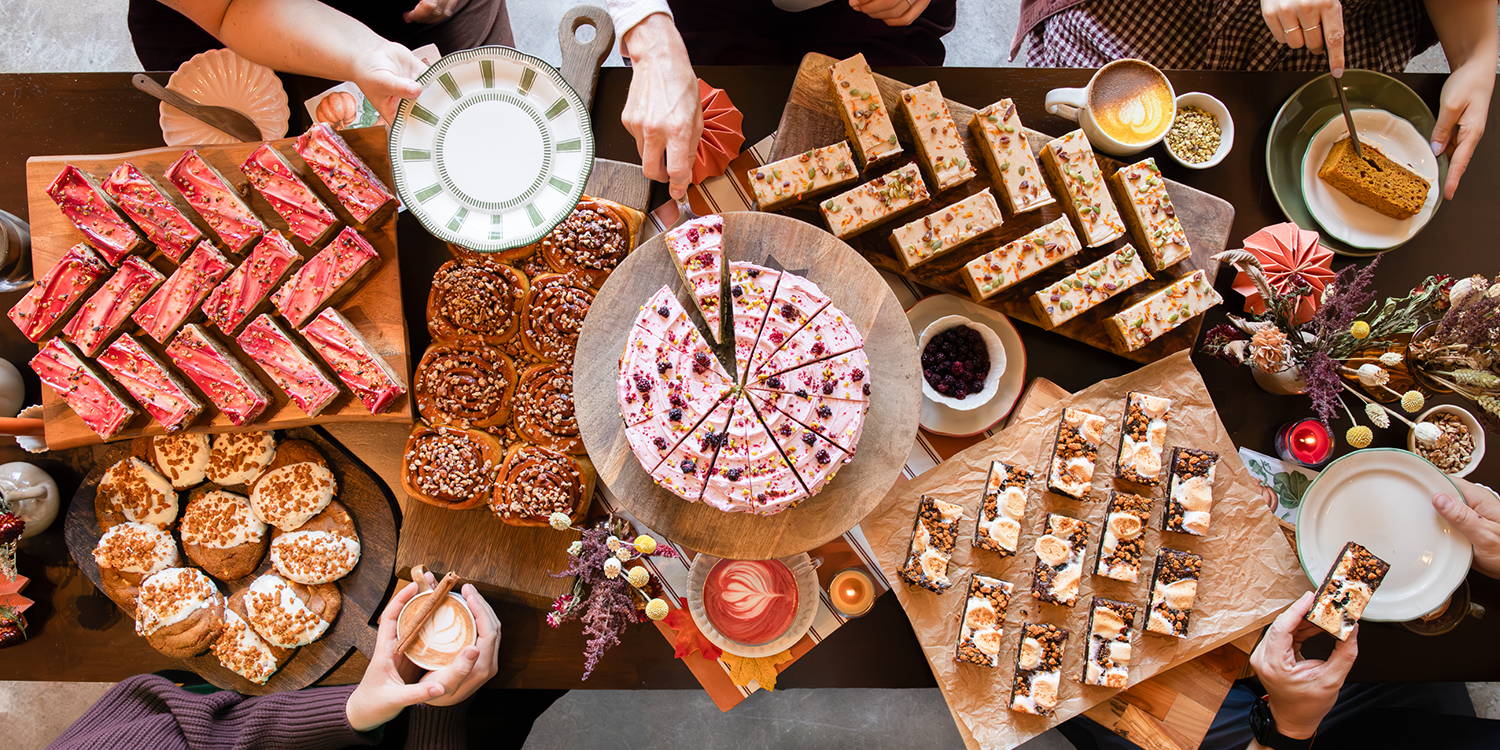
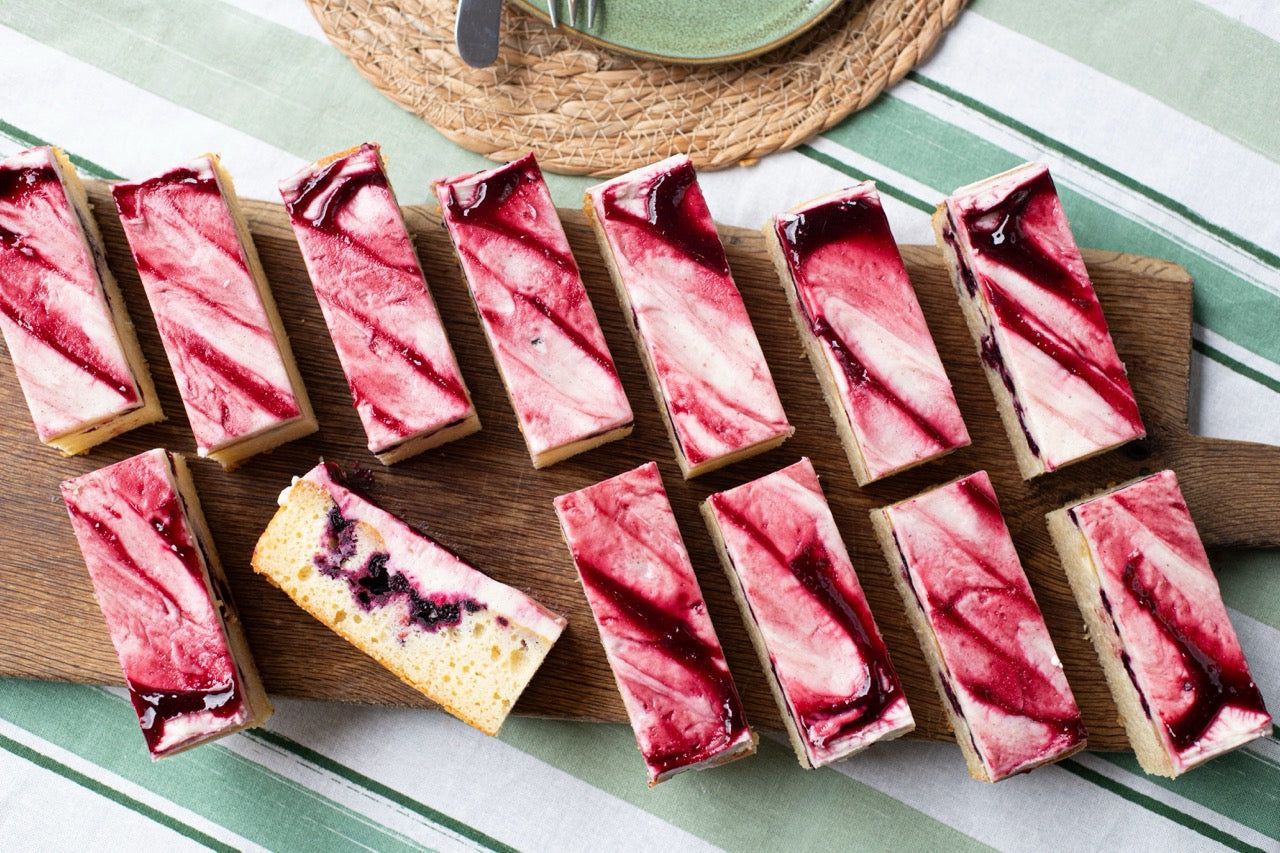
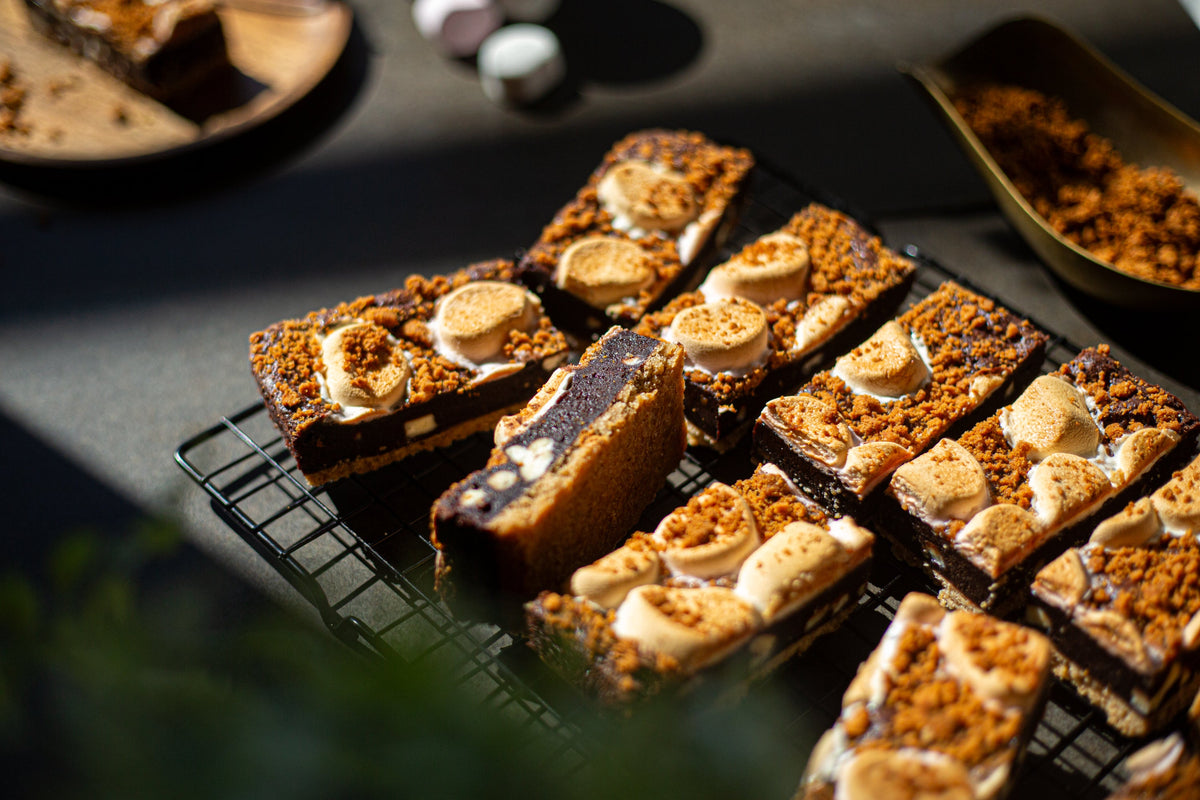
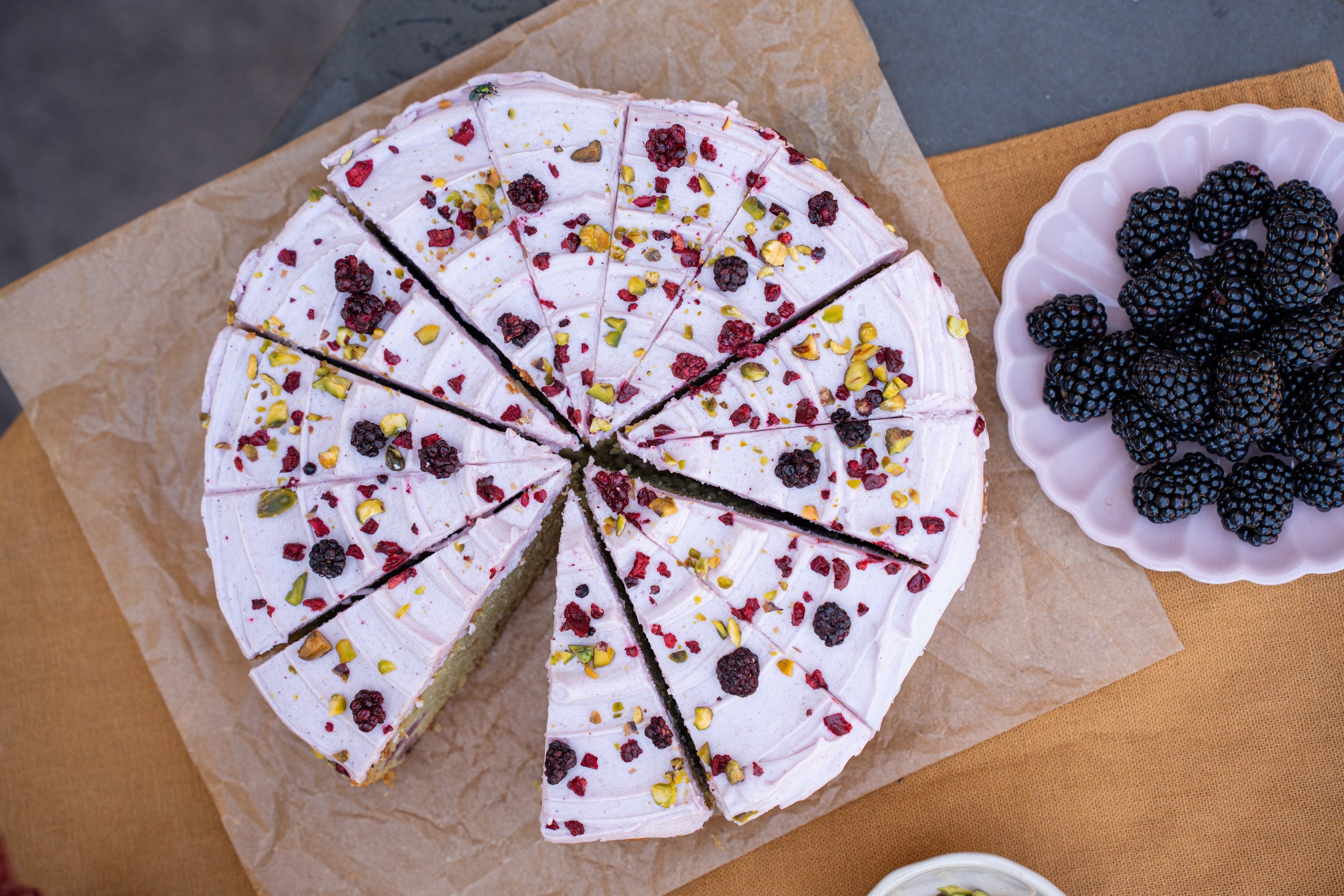
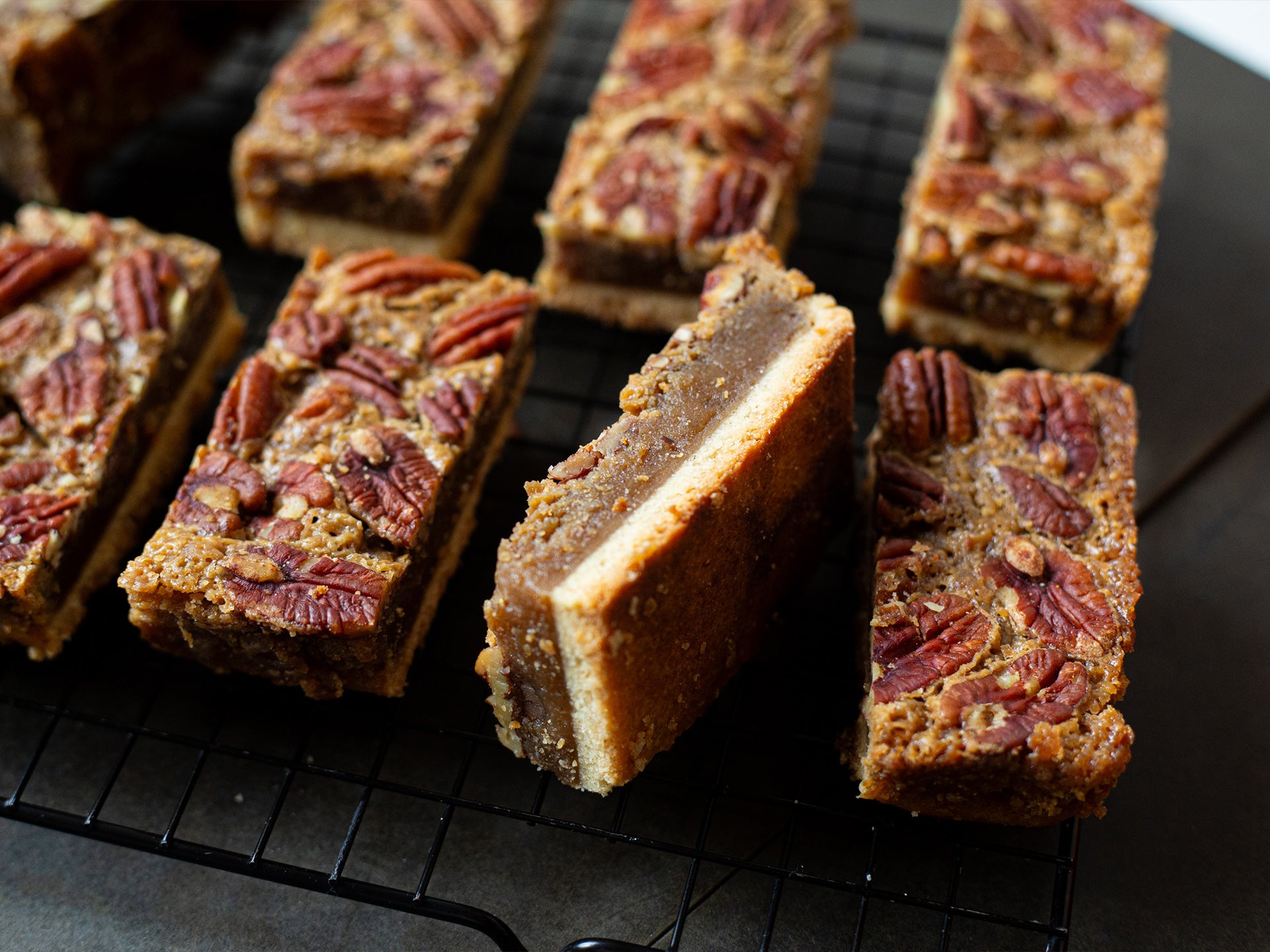
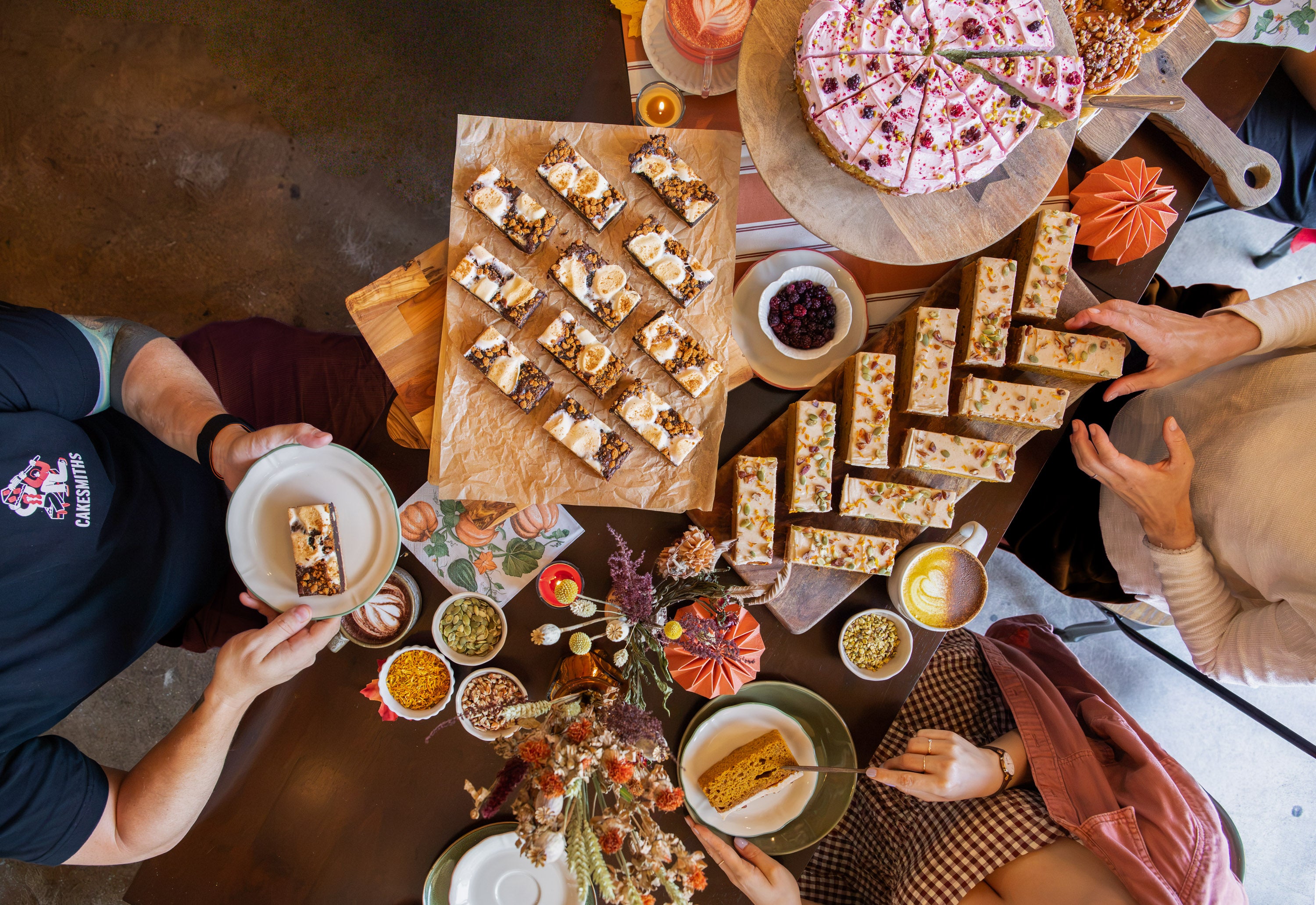
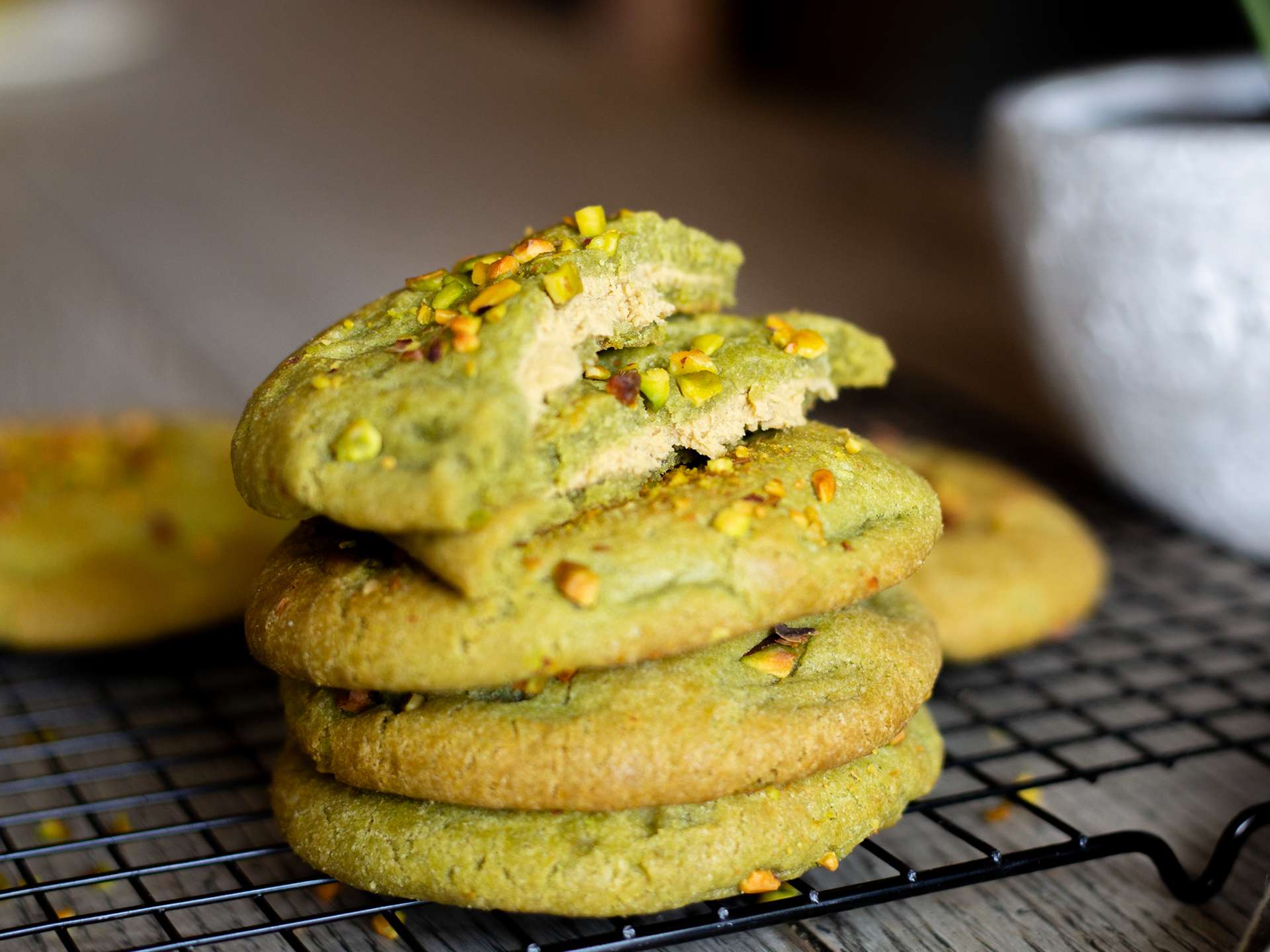
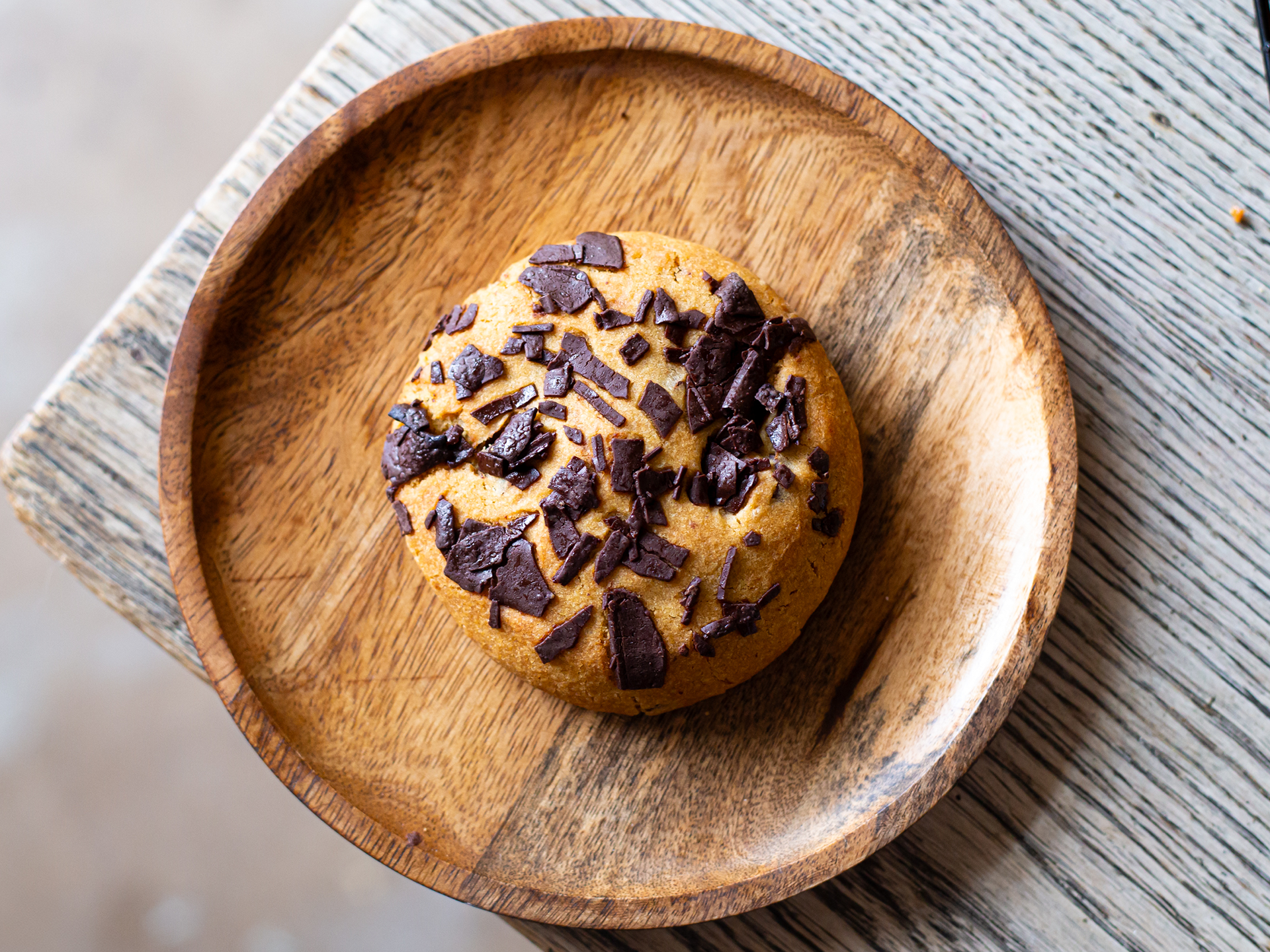
It’s a natural partner for a cake pairing, too. The roasted, caramel notes are made for anything with brown butter, chestnut, pistachio or dark chocolate in it. Put a Hojicha Latte next to a slice on your counter and you’ve turned one sale into two.

Hojicha FAQs
Is Hojicha the same as Matcha?
No, Hojicha is not the same as Matcha. Both come from the same Japanese tea plant. Matcha is made from shaded leaves that are steamed and never roasted, while Hojicha is made from unshaded leaves that are roasted after steaming. That gives Hojicha its brown colour, toasted flavour and lower caffeine.
Does Hojicha have caffeine?
Yes, but less than Matcha, green tea or coffee. Roasting the leaves at high temperature reduces the caffeine content, which is why Hojicha is often served in the evening.
Can you drink Hojicha at night?
It’s the traditional choice for exactly that. The lower caffeine content makes it a much easier late-afternoon and evening drink than Matcha or coffee.
Is Hojicha bitter?
Not really. Roasting mellows the tannins, so Hojicha is smooth and gently sweet where Matcha is more grassy.
What milk works best with Hojicha?
All of them, honestly. The toasted notes are robust enough to carry through dairy, oat and almond without getting lost, and oat in particular leans into the caramel side of the flavour. We particularly love it with coconut milk!
Can you bake with Hojicha?
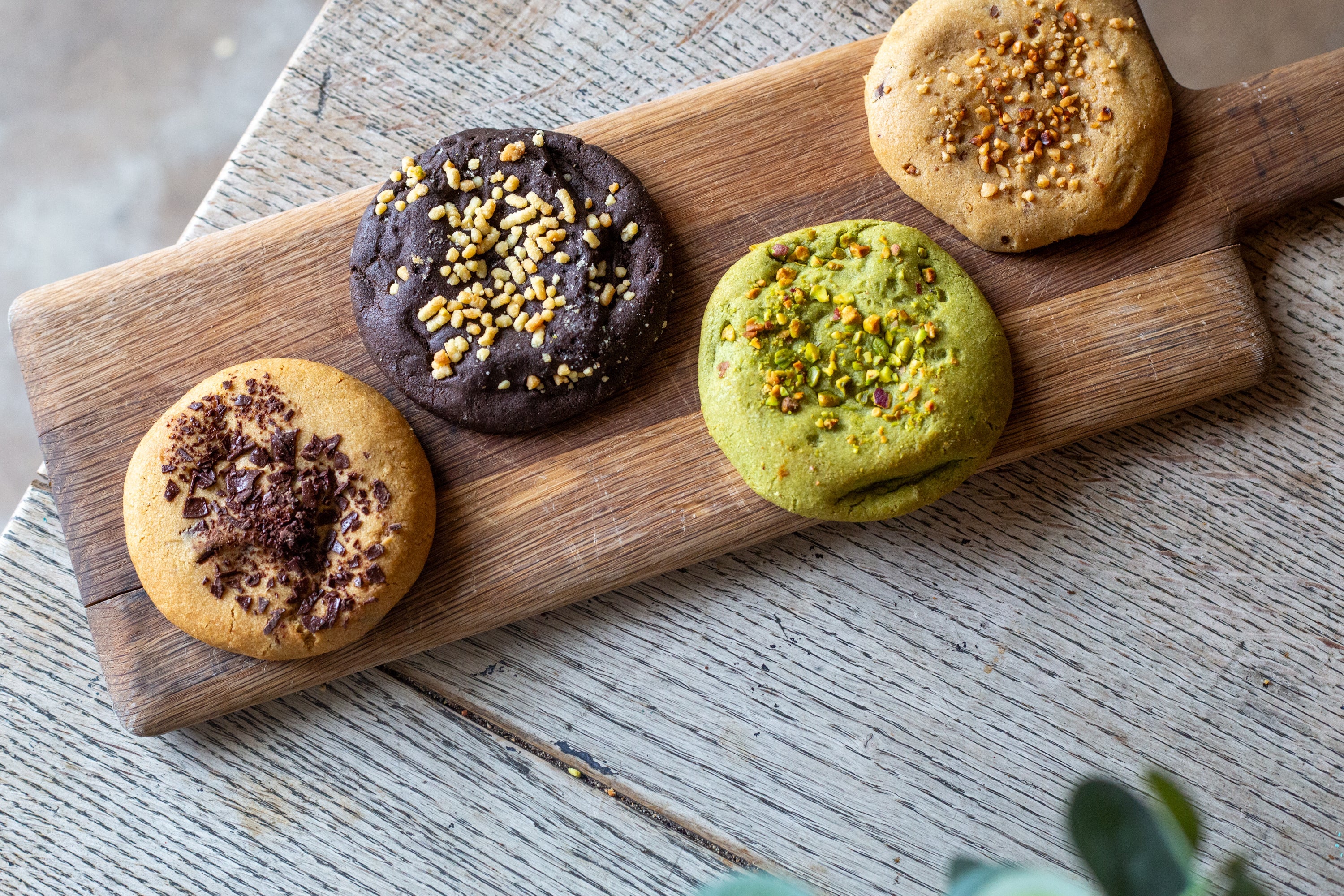
You can, and it’s excellent. Hojicha powder folds into sponges, cookies, blondies and cheesecakes the same way Matcha does, with a toasted, malty result.
 Explore the Full Cakesmiths Pantry Range
Our Pantry collection brings together artisan products from independent brands we genuinely trust, chosen to sit alongside our cakes. Curate your counter and add a bit of value to your coffee shop.